
Evidence-Based Soundness,
Nutrition & Clinical Biometrics
Replacing barn lore with mathematical precision. Precision vital sign chronometers, nutritional hay flake allocations, and targeted parasite stewardship for competitive riders, breeders, and equine practitioners.
Equine Physiological Chronometer & Triage
Optimal resting core temperature (99.0–101.5°F) (37.9°C)
Basal cardiovascular rhythm (28–44 BPM)
Relaxed thoracic respiration (8–16 /min)
Daily Forage, Flake & Hydration Model
Light Riding Horse: 1,000–1,250 lbs • Heavy Warmblood: 1,300–1,550 lbs
Single Flake Mass: 5.0 lbs
Equine Body Mass & Biomass Calculator
Where to Place the Weight Tape
Measurement protocol: Measure with the horse standing square on level ground with head relaxed. Heart girth runs directly behind the elbow, diagonally up over the highest point of the withers. Body length measures in a straight line from the point of shoulder to the point of the buttock.
For maintaining continuous cecal hindgut fermentation and gastric acid buffering.
Always dial syringe weight to 1150 lbs (never underdose to prevent resistance).
Download or Share Your Equine’s Complete Clinical Report
Exports a print-ready PDF combining your calibrated vitals (100.2°F / 36 BPM), daily hay ration (5.1 flakes / 22.8 Mcal), and biometric weight (1,150 lbs).
All diagnostic thresholds and mathematical models are audited by our board-certified clinical leads:
Targeted Parasite & Deworming Protocol
Calendar rotational deworming is obsolete. Select your equine's Fecal Egg Count (FEC) and current season to identify the exact active chemical class required.
Targeted Anthelmintic Stewardship Protocol
Ivermectin + Praziquantel OR Moxidectin + Praziquantel
Clinical Protocol:CRITICAL TREATMENT: Administer in late autumn immediately following the first hard killing frost.
Veterinary Note: Frost eliminates adult bot flies; anthelmintic eradicates larvae attached to gastric mucosa and tapeworms at the ileocecal valve.
The Obsolescence of Calendar Rotational Deworming: Dosing every 8 weeks without FEC testing has produced near-total parasite resistance in small strongyles to Benzimidazoles (fenbendazole/oxibendazole) and Pyrantel in over 80% of monitored equine facilities. Always calibrate dosing via biometric tape to avoid underdosing.
Championship Venues & Arena Footing Matrix
Technical evaluation of European all-weather polymer footing, 15-minute sub-surface drainage, climate-controlled stabling, and on-site tertiary surgical access.
Championship Circuit Footing & Infrastructure Matrix
Direct technical evaluation of impact shock attenuation, sub-surface drainage, and on-site surgical facilities across North America's premier equestrian venues.
| Specification Parameter | World Equestrian Center (WEC) – Ocala | Tryon International (TIEC) | Wellington International (WEF) |
|---|---|---|---|
| Footing Polymer Blend | Engineered sub-angular silica sand with German synthetic polymer & geo-textile fiber blend | Engineered all-weather sand-slit synthetic surface with equestrian polymer binding | Ebb-and-Flow sub-irrigated synthetic footing with moisture sensor regulation |
| Drainage Technology | Sub-surface multi-tier laser leveled matrix (15-min tropical rain clearing) | High-volume gravity slope drainage with gravel sub-base | Automated water level sensors adjusting hydration from below ground |
| Climate-Controlled Arenas | 5 fully enclosed stadiums (100% climate-controlled at 72°F / 22°C) | 1 covered arena + George Morris open stadium with stadium lighting | Covered stadium at Equestrian Village + 18 outdoor show rings |
| Stabling Capacity | 2,100 permanent concrete block stalls (12×12 & 12×14) with individual fans | 1,400+ permanent stalls with rubber matting and wide concrete aisles | Seasonal tent stabling compounds + permanent private barns in Grand Prix Village |
| Veterinary Hospitalization | UF Veterinary Hospital on grounds (40,000 sq ft, standing MRI & CT) | On-site show veterinary clinic with mobile digital radiography | Palm Beach Equine Clinic headquarters (0.5 miles from show grounds) |
| Spectator Admission Model | Free General Admission & Free Parking for Grand Prix | Free Admission to Saturday Night Lights jumping events | Ticketed VIP & free general admission depending on Grand Prix week |
The Four Pillars of EquestrianPedia
Explore dedicated deep dives into clinical biometrics, classical terminology, premier world venues, and rider safety equipment.
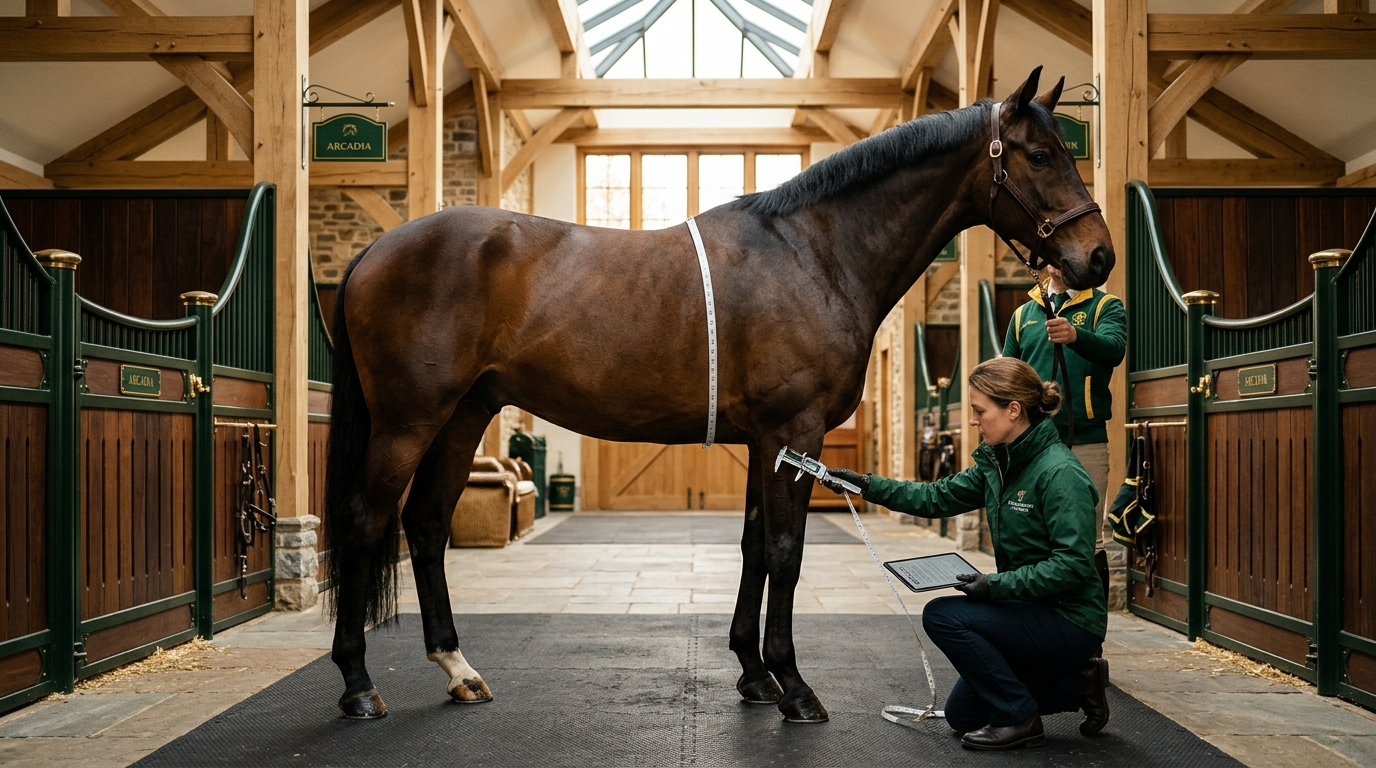 Pillar 01 • Biometrics
Clinical Calculators
Biometric weight tape regressions, 340-day mare gestation foaling projections, annual ownership cost budgets, and SMS saddle seat sizing.
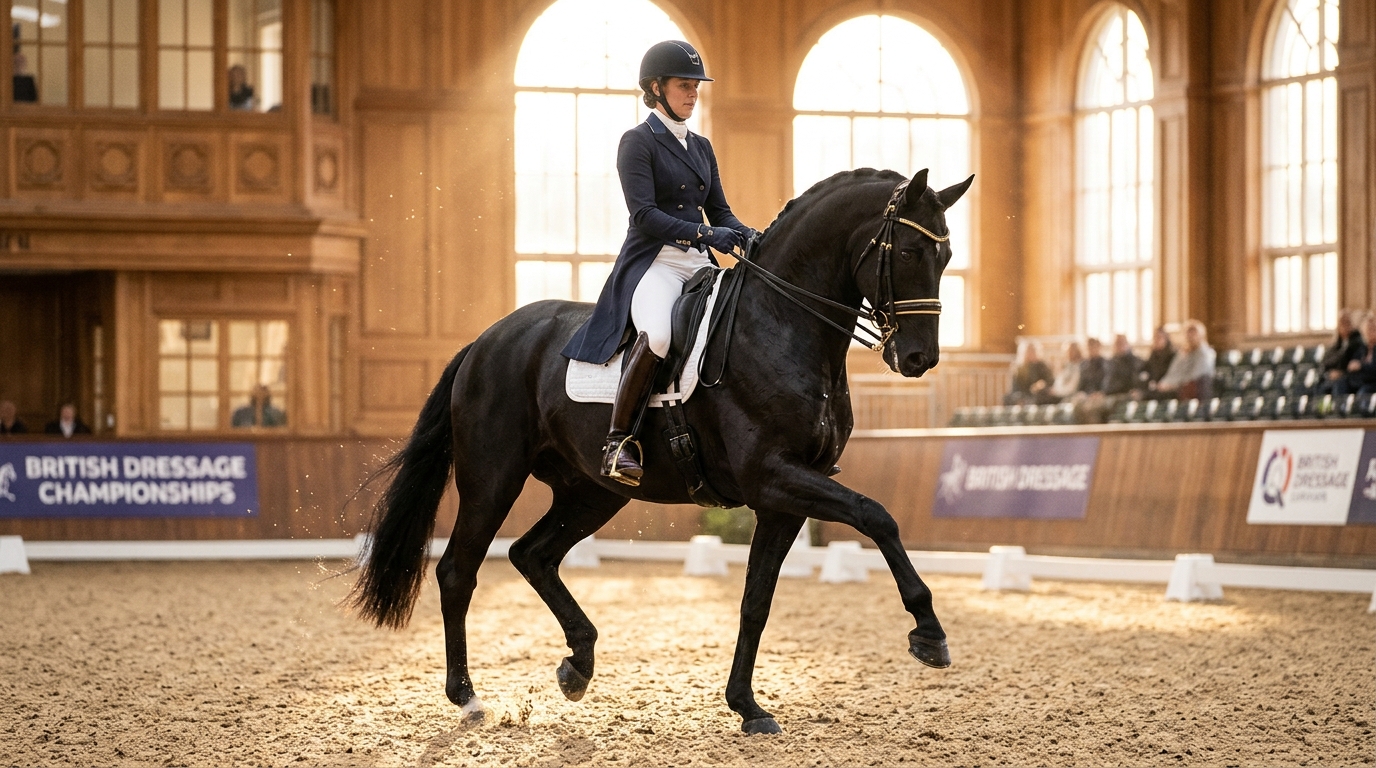 Pillar 02 • Lexicon
A–Z Terminology
Searchable encyclopedia defining classical gaits (canter, piaffe, passage), veterinary crises (colic, laminitis), and tack architecture.
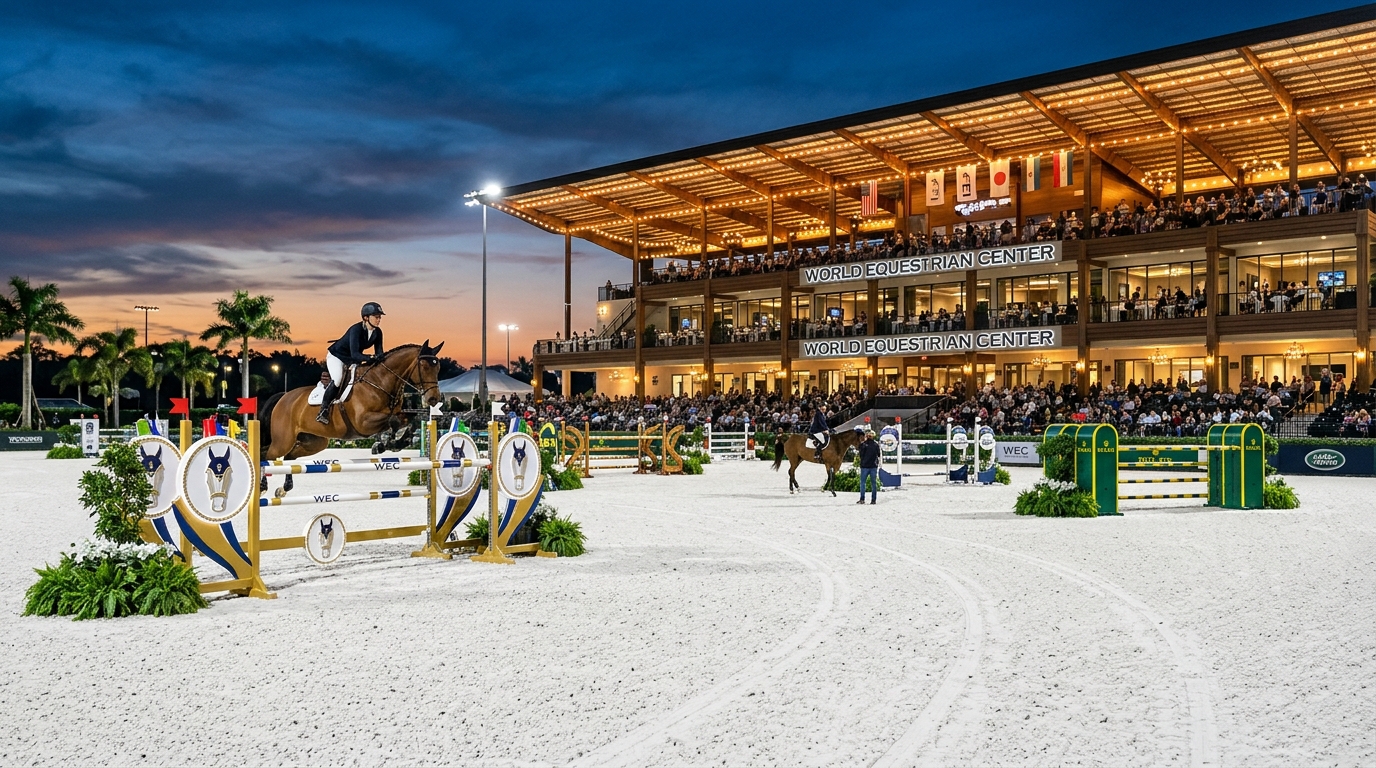 Pillar 03 • Circuits
Venues & Circuits
Comprehensive guides to World Equestrian Center Ocala, Tryon International, and Wellington. Arena footing analysis and spectator guides.
 Pillar 04 • Safety Tack
Disciplines & Safety
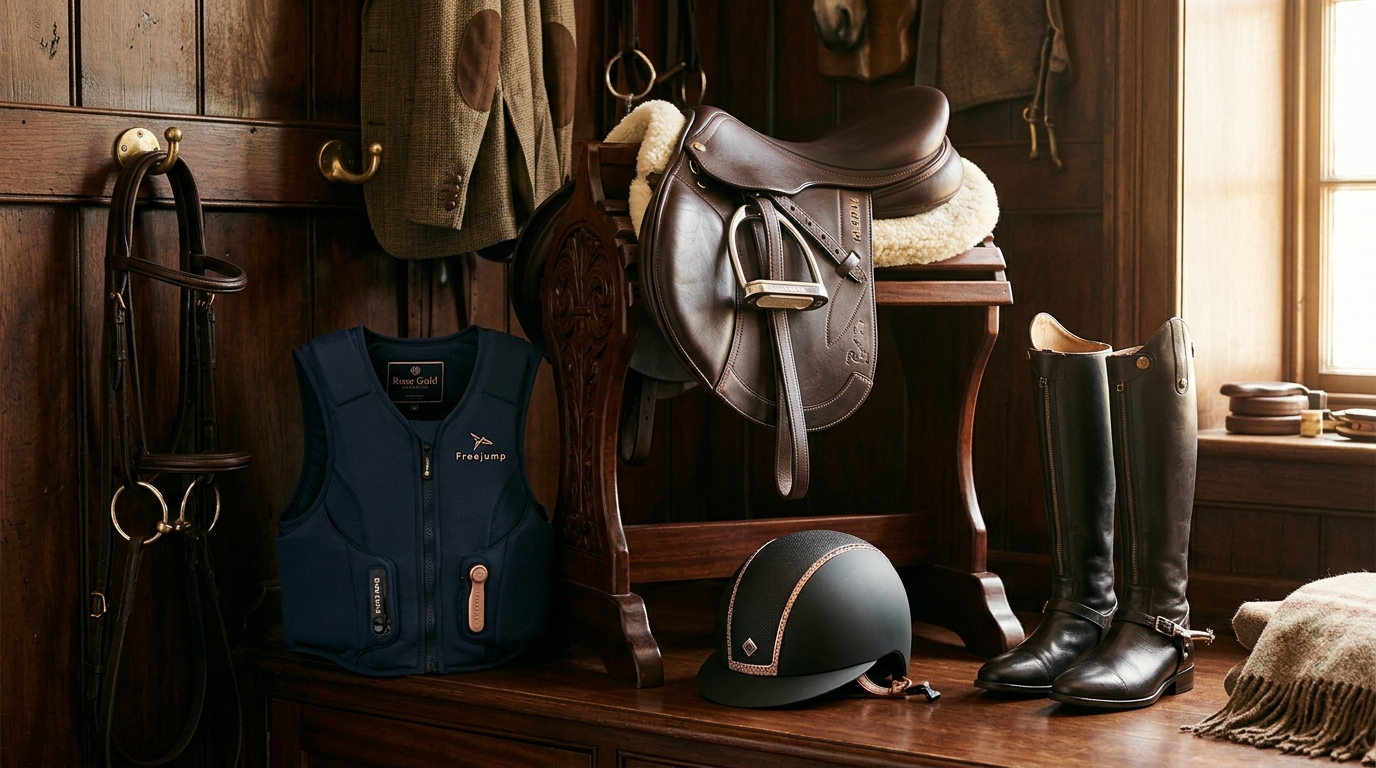
Deep dive into Olympic disciplines (Dressage, Show Jumping, 3-Day Eventing) alongside independent safety analysis of MIPS helmets and air vests.
Veterinary Reference Library & Field Protocols
Exhaustive clinical monographs grounded in AAEP, ACVS, ECEIM, and ASTM/SEI primary literature.
Equine Colic Emergency Triage & Surgical Referral Thresholds
Differentiating medical spasmodic colic from surgical strangulating volvulus using cardiovascular pulse escalation, mucous membrane perfusion, and four-quadrant auscultation.
Equine Gastric Ulcer Syndrome (EGUS): ESGD vs. EGGD Protocols
Pathophysiological breakdown of squamous versus glandular mucosal lesions, gastroscopy grading (0–4), omeprazole + sucralfate dosing, and pre-exercise alfalfa buffering.
Targeted Anthelmintic Stewardship & Fecal Egg Count (FEC) Guide
Replacing obsolete rotational deworming with quantitative McMaster EPG stratification, preserving refugia, and targeting encysted cyathostomins with moxidectin.
Equestrian Rider Safety Gear: MIPS Helmets & CO₂ Air Vests
Engineering analysis of rotational brain injury mitigation, ASTM/SEI and PAS 015 helmet certifications, lanyard activation kinematics, and safety stirrup release thresholds.
Olympic & FEI Equestrian Disciplines: Dressage, Jumping & Eventing
Comparative biomechanics of the German Training Scale, Grand Prix collection, 1.60m CSI5* jumping trajectories, and CCI5*-L cross-country cardiovascular conditioning.
340-Day Mare Gestation & AAEP Broodmare Vaccination Protocol
Endocrinological timeline of equine pregnancy across the 320-to-365 day spectrum, mandatory Pneumabort-K vaccination milestones, and pre-foaling mammary calcium titration.
Equine Laminitis & Founder Protocol: Cryotherapy & Biomechanics
Continuous distal limb cryotherapy protocol, Obel grading, digital radiography venogram cutoffs, deep digital flexor tenotomy indications, and acute SGLT2 inhibitor therapy.
Equine Metabolic Syndrome (EMS) & PPID (Cushings) Protocols
Differentiating PPID from EMS: seasonal baseline ACTH reference ranges, TRH stimulation testing protocols, Oral Sugar Test cutoffs, pergolide titration, and NSC <10% forage rationing.
Navicular Syndrome & Palmar Foot Pain: MRI & Biomechanical Farriery
Podotrochlear apparatus diagnostics: why high-field MRI isolates deep digital flexor tendinopathy when radiographs appear normal, local diagnostic blocks, and biomechanical shoeing.
Equine Kissing Spine (ISLD): Radiographic Grading & Rehabilitation
Impinging thoracolumbar spinous processes: Jeffcott 0-4 radiographic grading, scintigraphy confirmation, ultrasound-guided interspinous corticosteroid injections, and ISLD surgery.
Search the A–Z Equine Glossary
Query classical dressage movements, veterinary pathology, or tack engineering directly from the home desk.
Frequently Answered Equine Management Inquiries
Select any inquiry below to inspect clinical reference parameters and direct tool links.
What are normal resting equine vital signs during a colic or fever crisis?
A healthy adult horse at rest has a rectal temperature of 99.0°F to 101.5°F (37.2°C to 38.6°C), a resting basal heart rate of 28 to 44 beats per minute (BPM), and a respiratory rate of 8 to 16 breaths per minute. Gums should be moist salmon pink with a capillary refill time (CRT) under 2 seconds. Elevated pulse above 60 BPM or silent gut sounds indicate an acute colic emergency.
How many flakes of hay should I feed my horse per day?
Equines require 2.0% to 2.5% of their body weight in dry matter forage daily to buffer gastric hydrochloric acid and maintain continuous cecal fermentation. For an 1,150-lb horse, this equates to 23 to 28 lbs of hay per day (approximately 4.6 flakes from a standard 50-lb two-string bale, split into AM and PM feedings in slow-feeder nets).
Why has rotational deworming every 8 weeks been replaced by AAEP guidelines?
Continuous calendar-based rotational deworming without testing has caused severe, widespread chemical resistance in small strongyles (cyathostomins). Modern veterinary guidelines mandate Fecal Egg Count (FEC) testing to classify horses into Low (<200 EPG), Moderate (200-500 EPG), or High (>500 EPG) shedders, treating primarily in Spring and Fall after the first frost for bots and tapeworms.
How does European synthetic polymer arena footing protect jumping horses?
Advanced all-weather synthetic footing blends sub-angular silica sand with synthetic fibers and elastic polymers. This absorbs peak impact deceleration when landing over 1.60m fences, reduces concussion on the navicular bone, and provides lateral traction to prevent tendon tears during high-speed rollbacks.
How do you prevent Equine Gastric Ulcer Syndrome (EGUS) in competition horses?
Equine stomachs secrete hydrochloric acid continuously—up to 8 gallons per day—regardless of whether the horse is eating. Preventing squamous and glandular ulcers requires eliminating fasting intervals exceeding 4 hours, feeding 1–2 lbs of high-calcium alfalfa hay 30 minutes prior to exercise to create a fibrous mat over the acidic stomach pool, and minimizing high-starch pelleted concentrates.